Written by Freelance Journalist – Edwin Naidu
Professional photography by Vanessa Bentley Photography
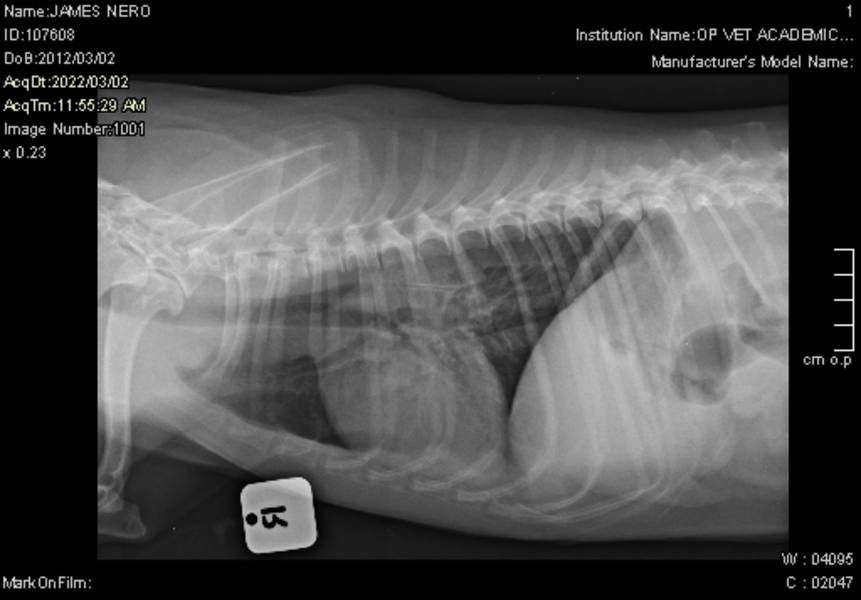
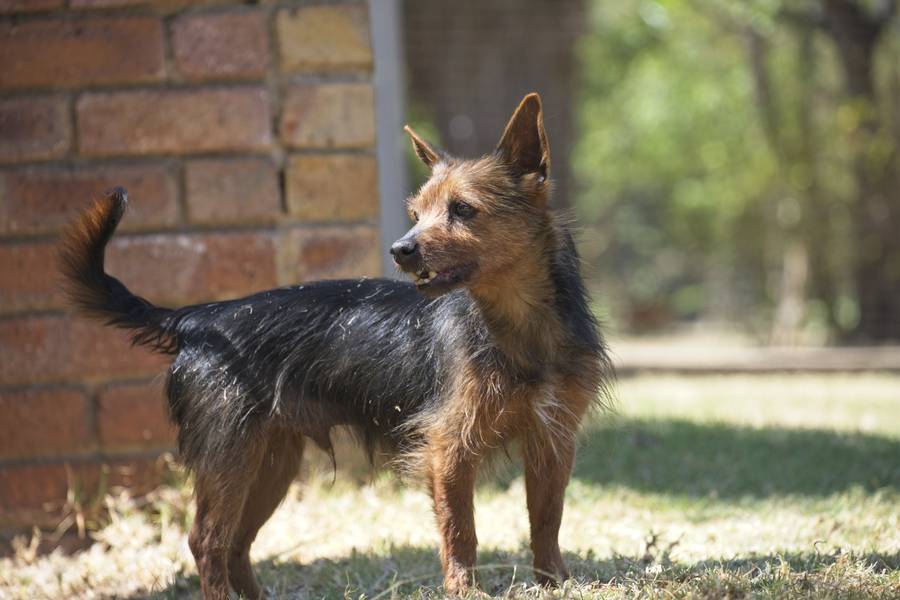
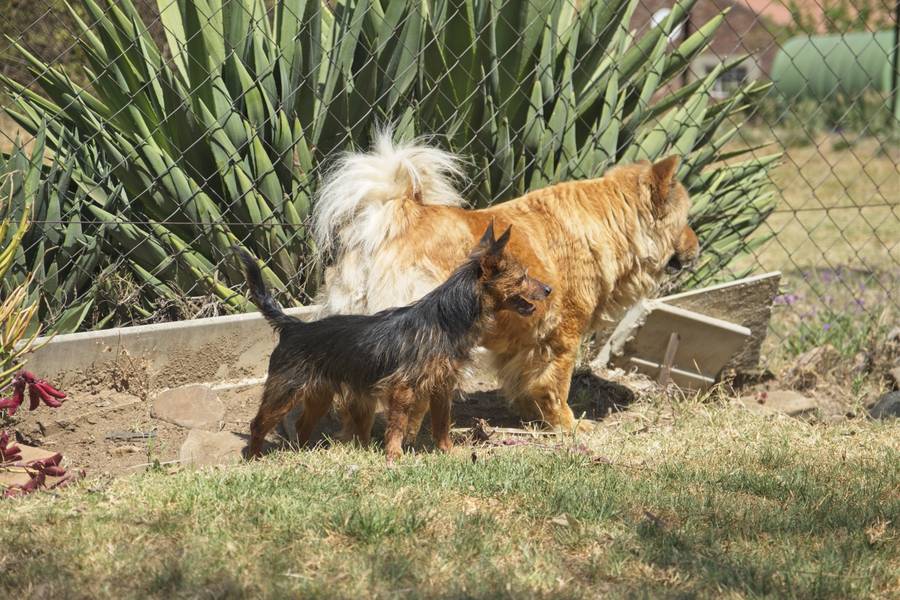
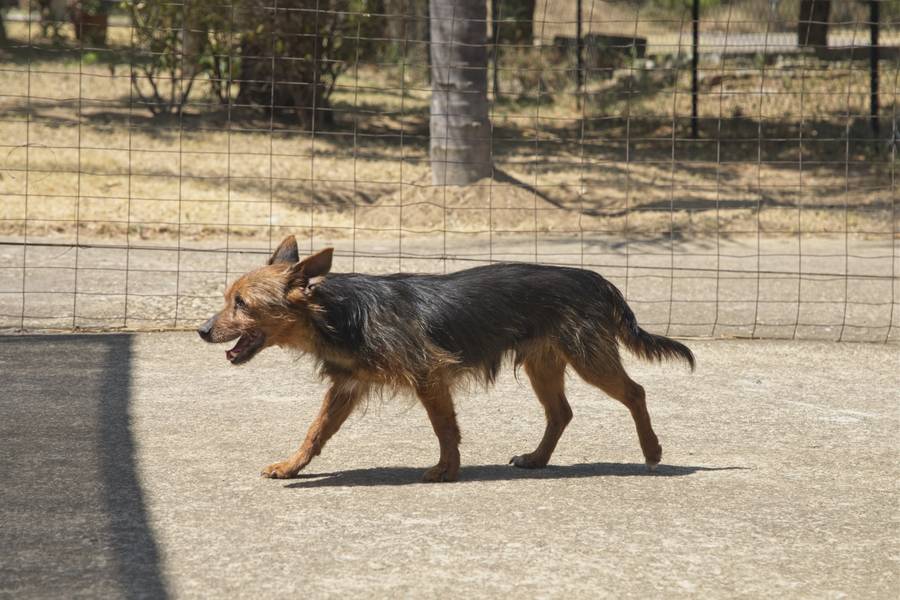
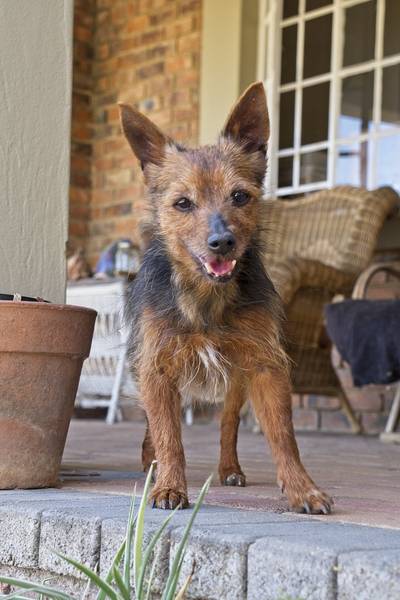
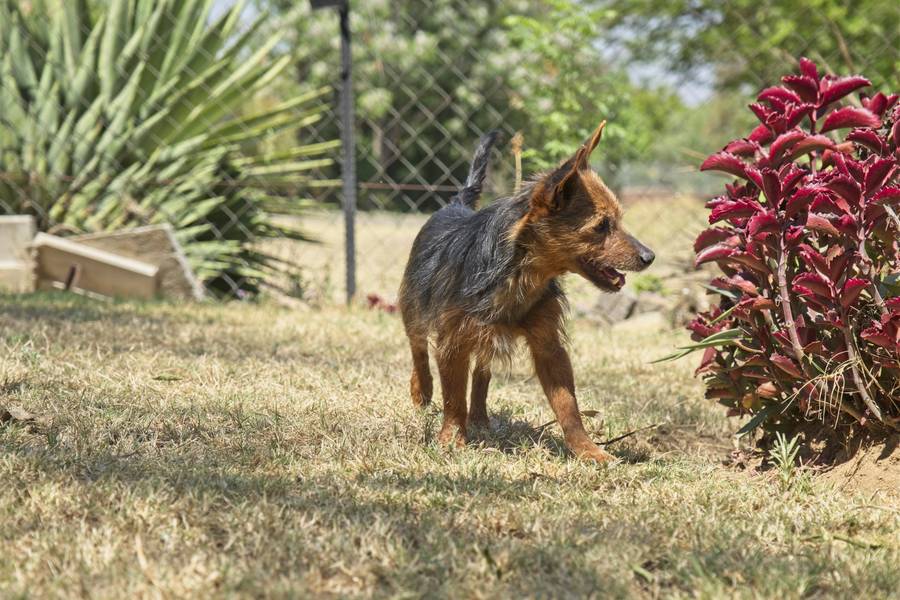
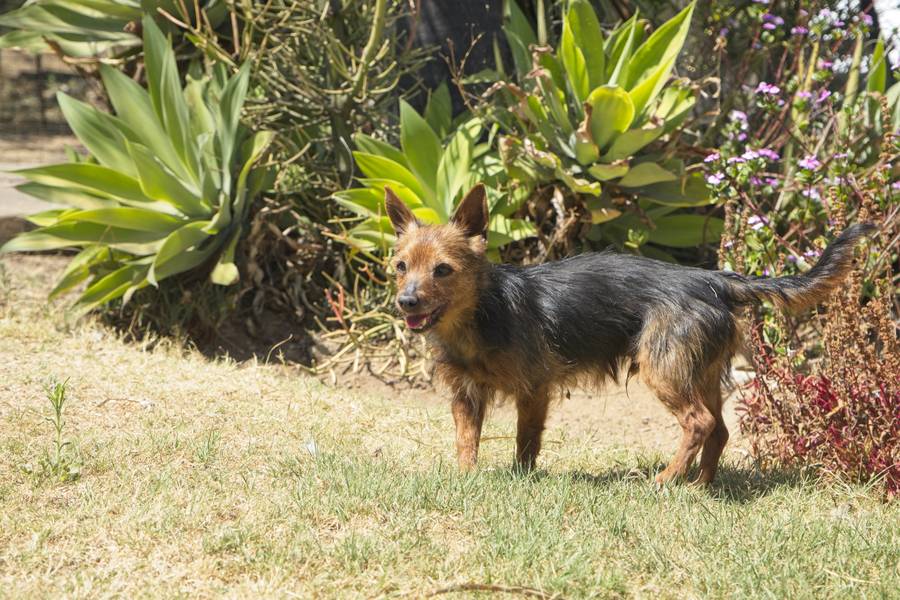
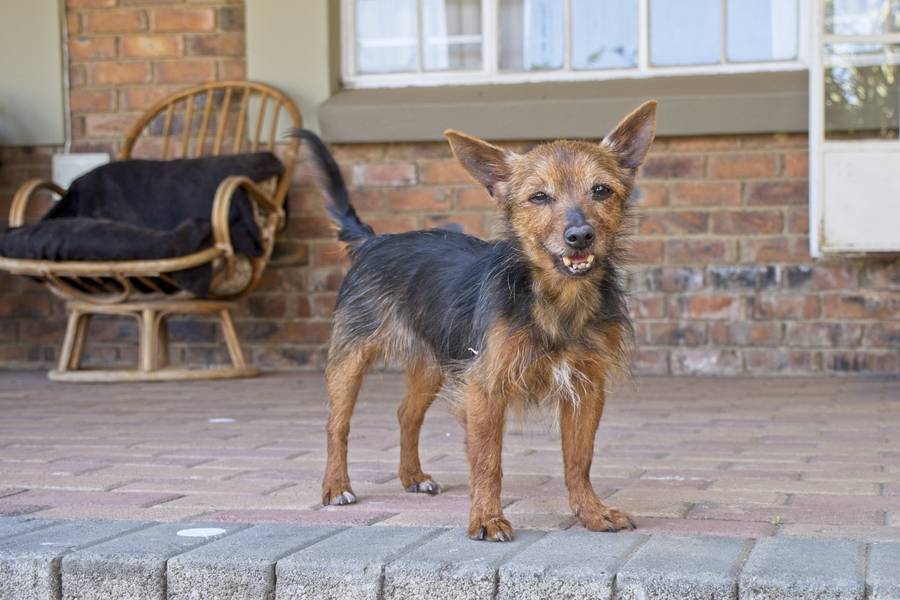
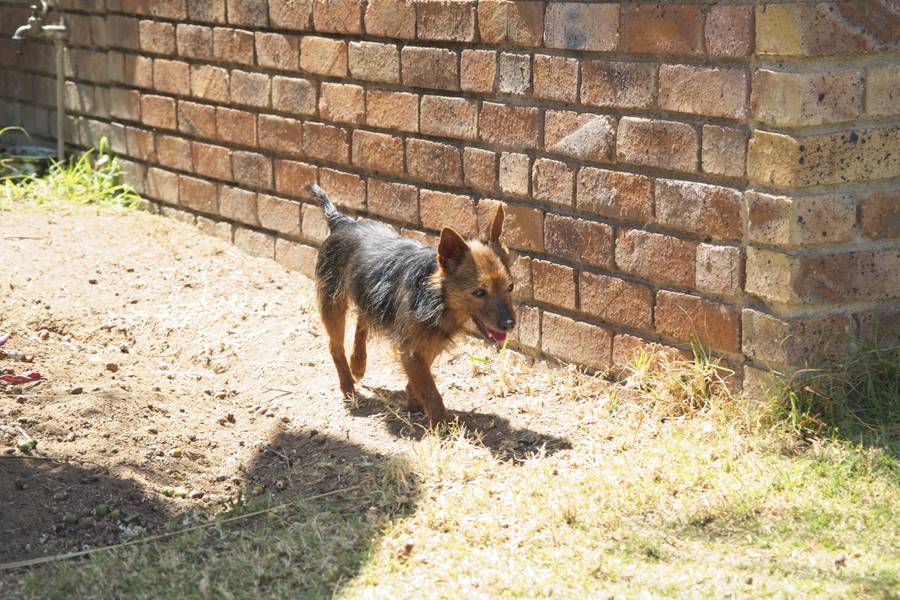
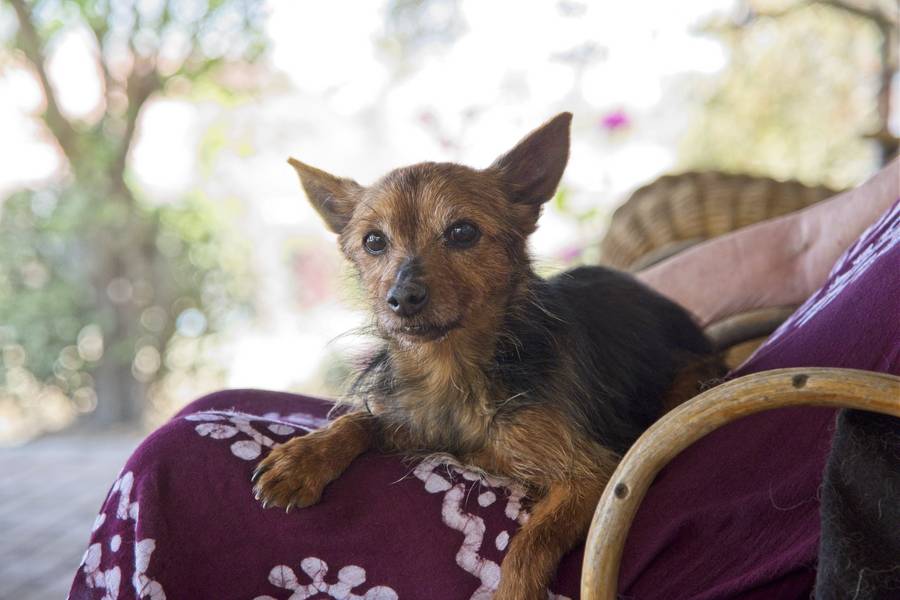
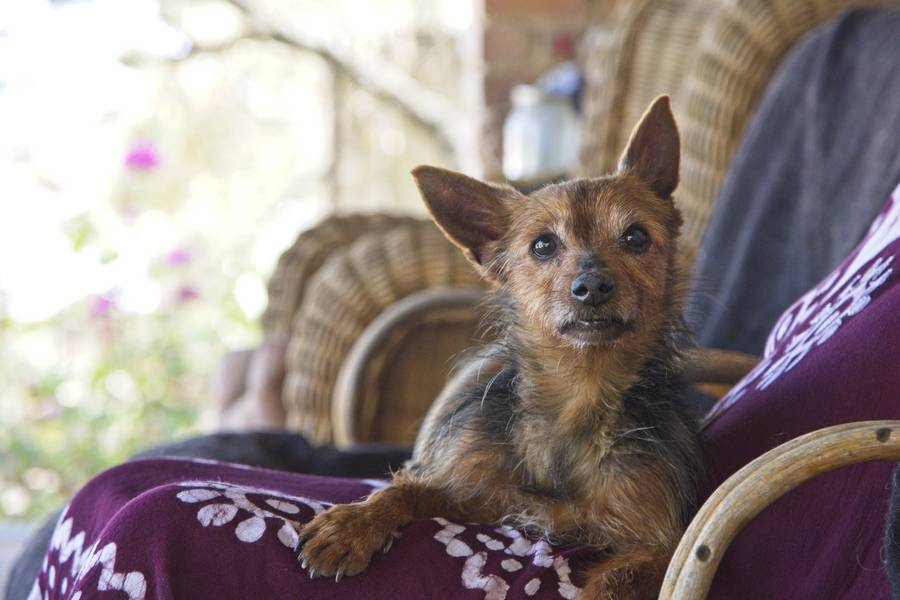
When Nero, a Yorkshire terrier, swallowed a bone that ended up stuck at the base of his oesophagus, just above his heart, his life was saved by University of Pretoria (UP) veterinarians.
His oesophagus was perforated
Nero was presented at UP’s Onderstepoort Veterinary Academic Hospital (OVAH), where Dr Varaidzo Mukorera, specialist in veterinary internal medicine in the Companion Animal Clinical Studies Department at UP’s Faculty of Veterinary Science, diagnosed the bone lodged in the oesophagus.
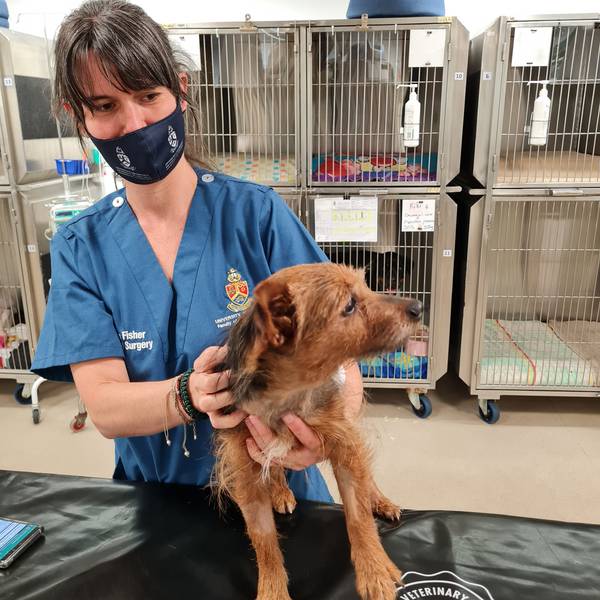
Opting for surgery rather than endoscopic retrieval of the bone, Dr Mukorera then referred the case to Dr Ross Elliott, specialist veterinary surgeon in the same department.
“My main concern was that there was a perforation of the oesophagus,” Dr Elliott said. “The oesophagus is a muscular tube which forms part of the digestive system, linking the mouth to the stomach. When swallowing food, the walls of the oesophagus contract.”
Saved by surgery
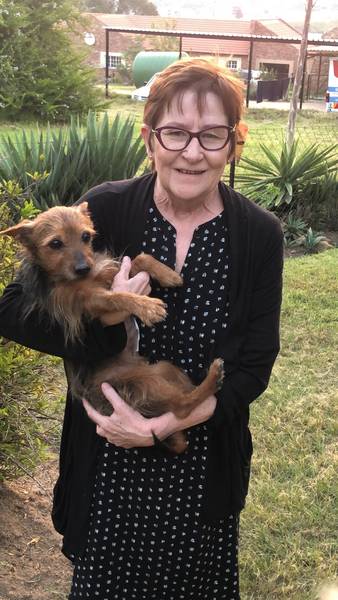
Dr Elliott performed the hour-long surgery in the Faculty’s Small Animal Surgery Clinic, under the tutelage of Dr Adriaan Kitshoff, a diplomat of the European College of Veterinary Surgeons. The resilient Yorkie spent 10 days in recovery before being discharged into the arms of his owner, Daleen James, a businessperson in Bryanston, Johannesburg.
“It was a complicated procedure as I had to perform a thoracotomy, a surgical procedure in which a cut is made between the ribs, to see and reach the lungs or other organs in the chest or thorax,” Dr Elliott said. A portion of Nero’s oesophagus needed to be removed, as the bone had perforated the oesophagus in three places.
“The remaining healthy oesophagus was joined back together. The bone also caused damage to the aorta, the main artery carrying blood away from the heart to the rest of the body.” Dr Elliott repaired that leak, too.
In the week following the surgery, Dr Elliott was concerned about surgical complications arising around the joining of the oesophagus. Complications related to leakage from the joined oesophagus and an infection in the chest are very common after such surgery. “Nero was kept under close surveillance,” said Dr Elliot. “His limp body was held together by staples to ensure that the wounds healed swiftly.”
The team was anxious to ensure that there was no scarring, as a stricture narrows the oesophagus, Dr Elliott explained. The oesophagus is prone to scarring after such operations. In addition, the internal diameter decreases, making it harder for food to pass into the stomach.
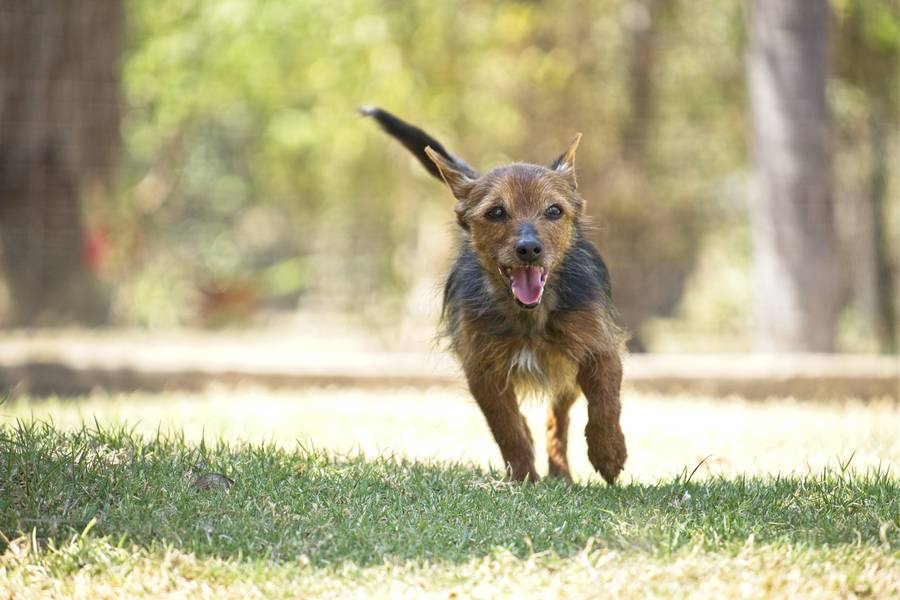
“There’s always a concern, when the oesophagus ruptures, that it doesn’t heal quickly, or could lead to infection,” Dr Elliott added. “But ‘Super Nero’ recovered remarkably well. A day after surgery in critical care, Nero was standing in his cot, trying to get out.”
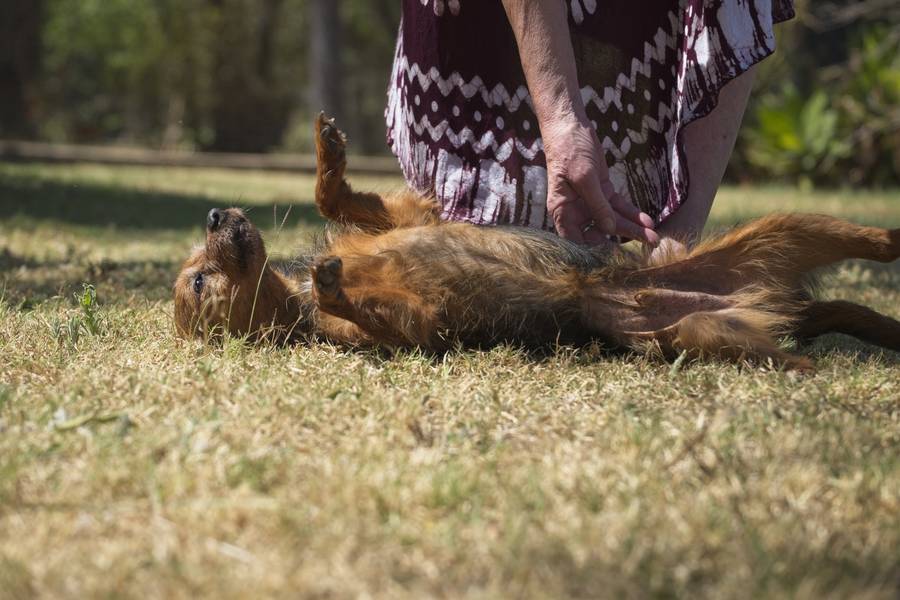
Nero on the mend
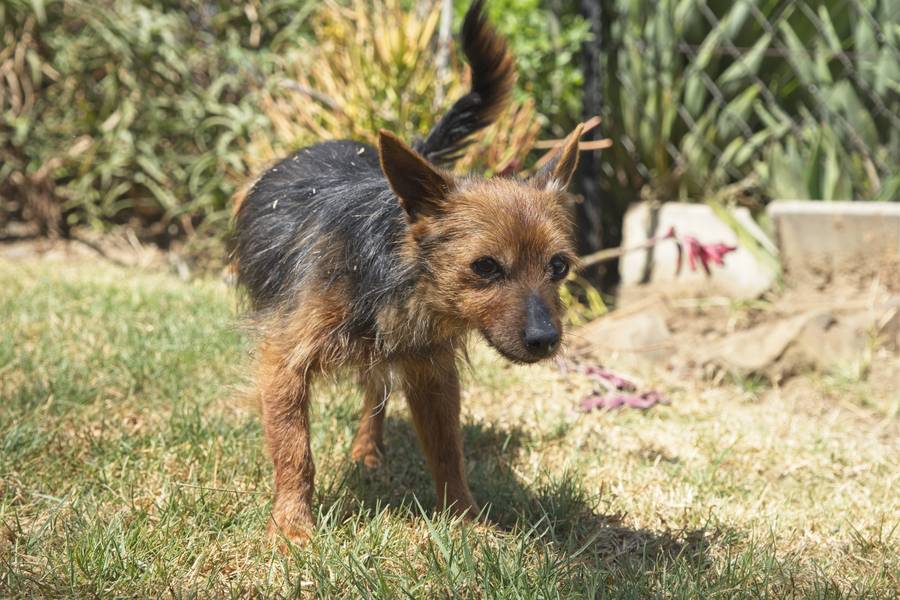
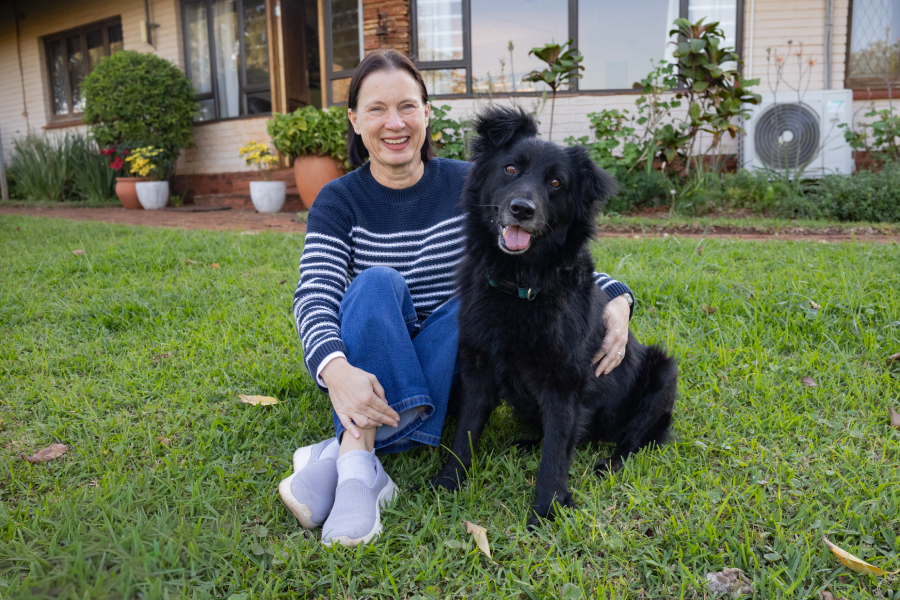
“He’s doing very well,” said doting owner James, adding that she was relieved and thankful to Dr Elliott for the miracle he performed on her beloved Nero.
The experience was very stressful, though. James says her nightmare began after Nero started coughing and vomiting. She suspects one of her employees may have accidentally dropped a bone onto the ground after eating – and Nero just couldn’t resist. When the coughing escalated to vomiting, James took Nero to a vet in Fourways, Johannesburg. The vet said Nero needed specialist attention and recommended the University of Pretoria’s Onderstepoort Veterinary Academic Hospital.
Before taking Nero to Onderstepoort, the vet told her the operation was a serious and big one, and that it might be better to put the dog down. “My daughter and I said, ‘No way’. But I was extremely worried. Dr Elliott called me after the operation, saying that there was a 50-50 chance that Nero wouldn’t make it.”
James says Nero is doing so well; “Initially, there were grave concerns of a stricture risk and the narrowing of his oesophagus due to scar tissue, and possibly battling megaesophagus afterwards. After his feeding tube was removed, he was eating soft food mixed with water to be more like a soup (with me watching him like a hawk to make sure he didn’t choke). But he was soon on the mend and is no longer on any medication. He’s on a soft gruel diet three times a day now and gobbles his food up like a vacuum cleaner and is back to being his naughty (but oh so cute) self!
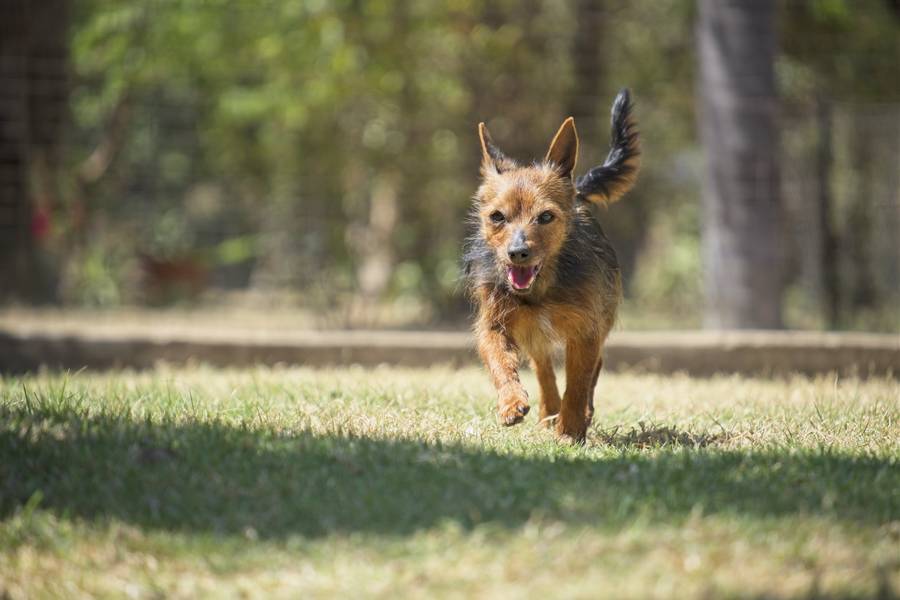
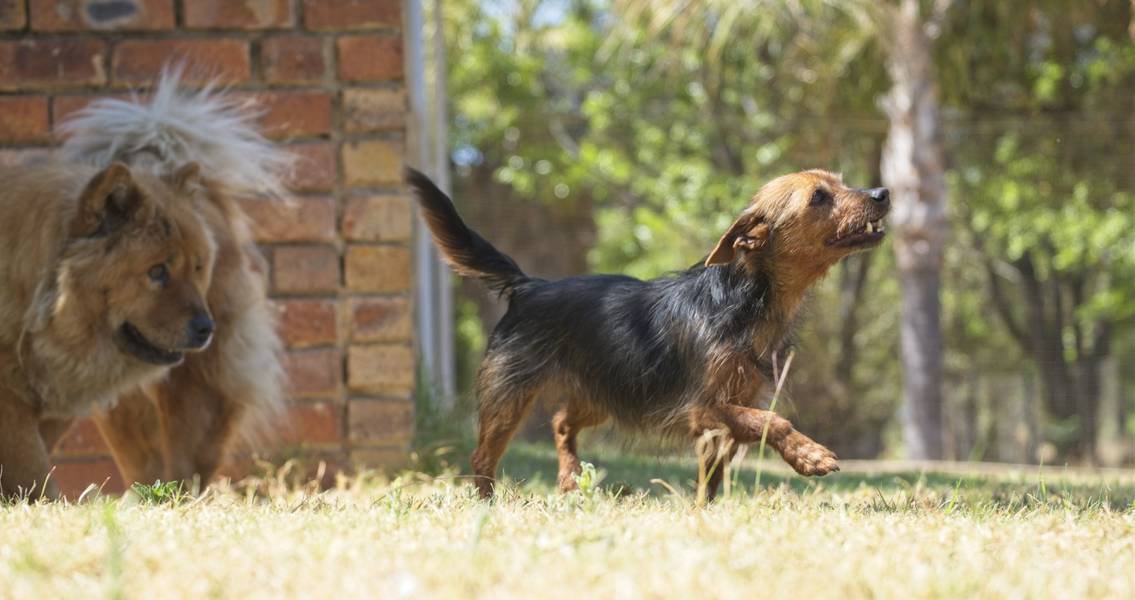
“Nero will be turning 11 soon and he’s still quite active and very alert for an old man. He means the world to me. I’m so grateful that he survived this terrible ordeal.”
As for other dogs prone to the extremely common pet habit that landed Nero in such trouble, Dr Elliott’s advice is simple: “Just don’t feed them bones!”
ABOUT THE UNIVERSITY OF PRETORIA
The University of Pretoria (UP) is one of the largest contact and residential universities in South Africa, with its administration offices located on the Hatfield Campus, Pretoria. This 114-year-old institution is also the largest producer of research in South Africa.
Spread over seven campuses, it has nine faculties and a business school, the Gordon Institute of Business Science (GIBS). It’s the only university in the country that has a Faculty of Veterinary Science which is ranked top in Africa, and overall has 120 academic departments, as well as 92 centres and institutes, accommodating more than 56,000 students and offering about 1,100 study programmes.
UP is one of the top five universities in South Africa, according to the 2019-2020 rankings by the Center for World University Rankings. It’s also ranked among the top 100 universities worldwide in three fields of study (veterinary science, theology and law), and among the top 1% in eight fields of study (agricultural sciences, clinical medicine, engineering, environment/ecology, immunology, microbiology, plant and animal sciences and social sciences).
In May 2020, the annual UK Financial Times Executive Education Rankings once again ranked GIBS as the top South African and African business school. The University also has an extensive community engagement programme with approximately 33,000 students involved in community upliftment. Furthermore, UP is building considerable capacities and strengths for the Fourth Industrial Revolution by preparing students for the world beyond university and offering work-readiness and entrepreneurship training to its students.
For more information, go to www.up.ac.za.