

Written and photos supplied by Mike Amira
Coming from an upbringing literally living in the bush, being taught from a young age the ways of the wild by my parents, you can say the work I do is in my blood. Born in Zimbabwe and coming from farming stock in Zambia, it almost stands to reason that this would be the path being paved for me.
Being interested particularly in Birds of Prey since I was a child, learning from those in the know, and exploring a lot of remote areas camping out with nothing else but the bush and the birds, instilled in me many valuable amounts of knowledge.
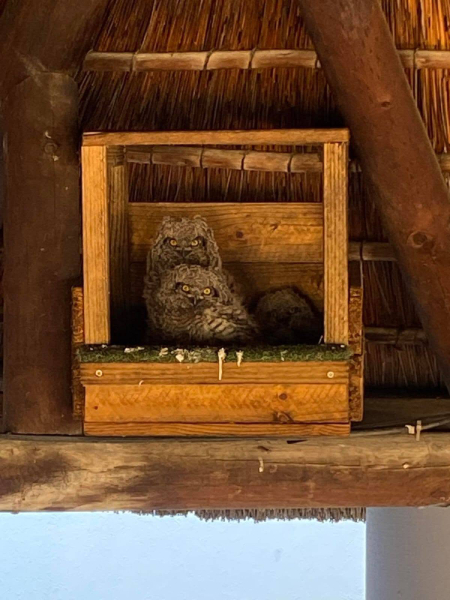
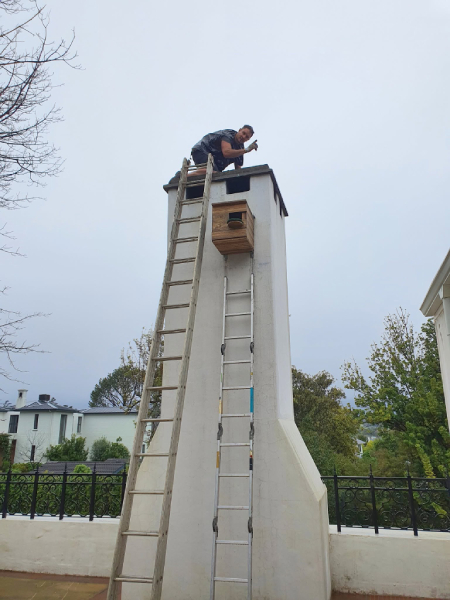
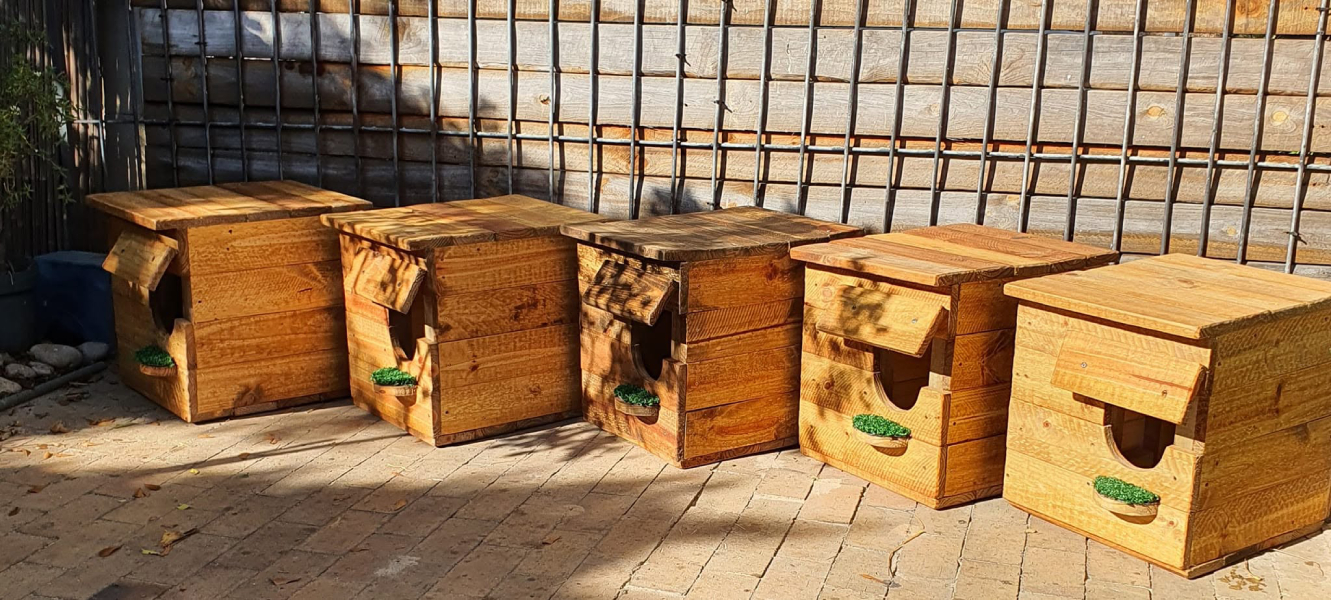
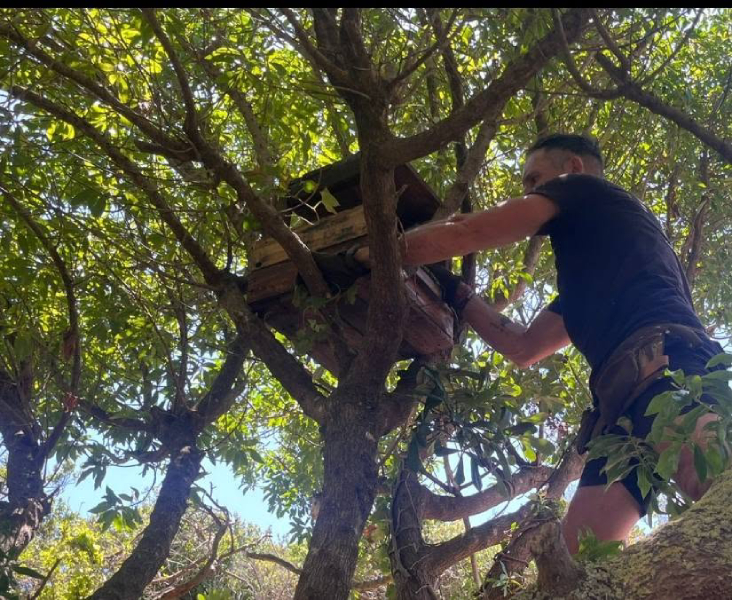
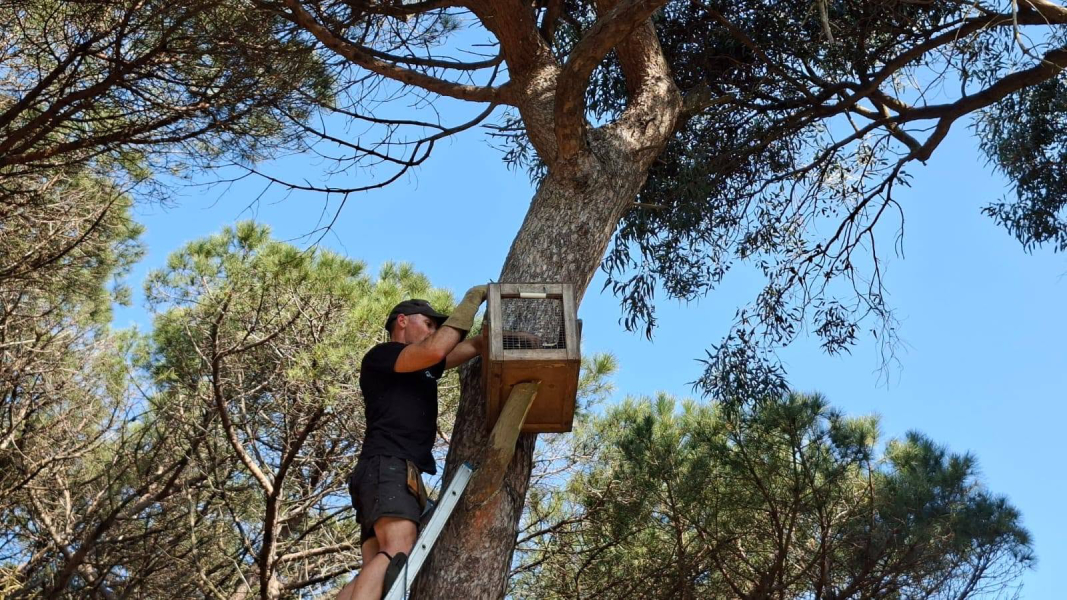
I eventually decided to turn a passion for creating suitable habitats for owls into a side-line business in 2013 while working a normal 9-to-5 job. Weekends and after hours I’d create Raptor Boxes and install them.
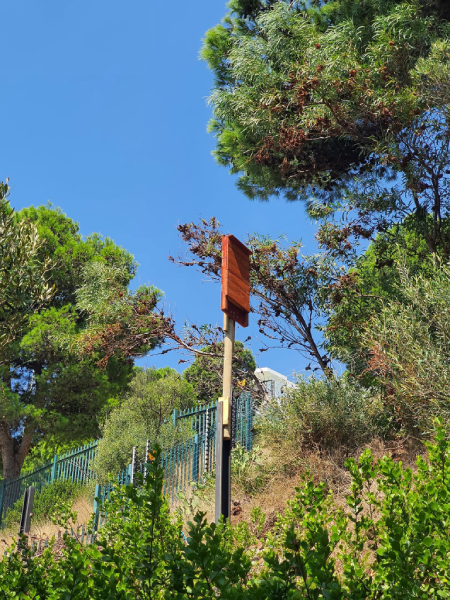
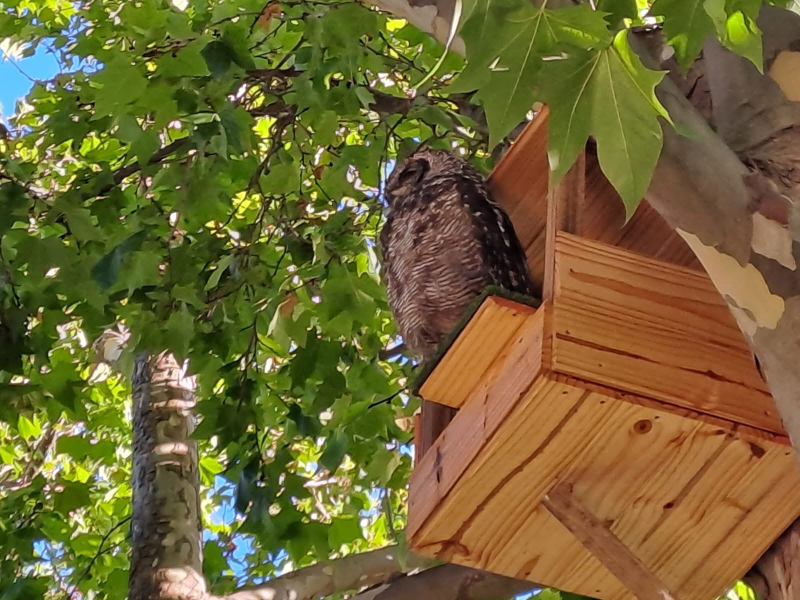
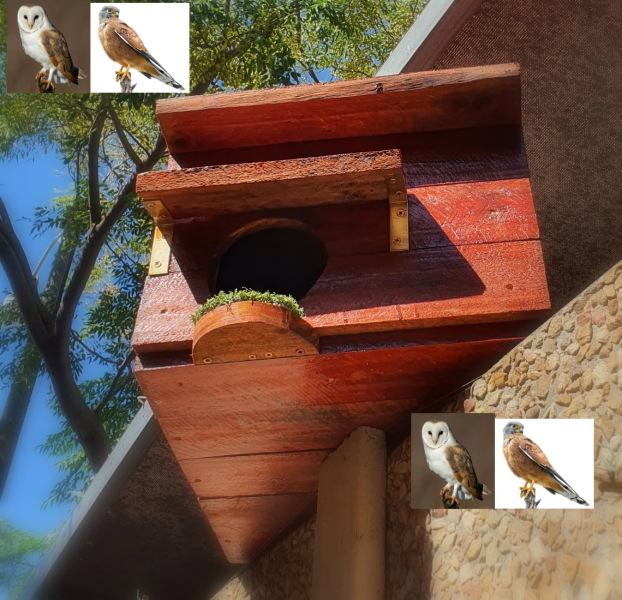
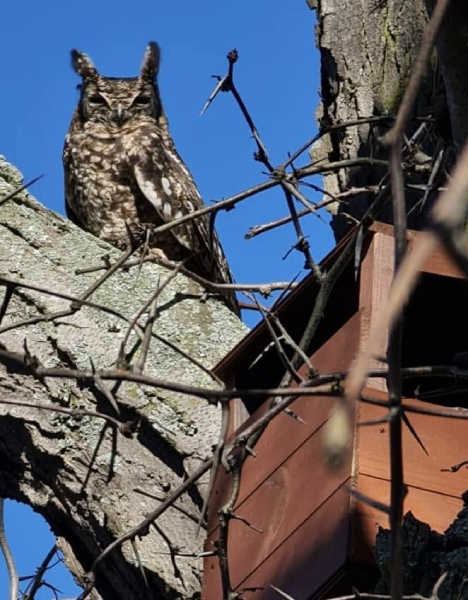
These hand-made wooden boxes are designed to provide a safe spot for raptors such as owls to roost, nest and breed. By replacing the ever-dwindling natural places where these birds would normally roost – like trees and rock cavities – raptor boxes can form an essential part of conservation of these species.
I made great connections with various permitted facilities at the time, and great contacts with avian vets. This was the perfect combination to assist them when they needed the help – and also was a huge wealth of valuable knowledge.
Owl boxes and beyond
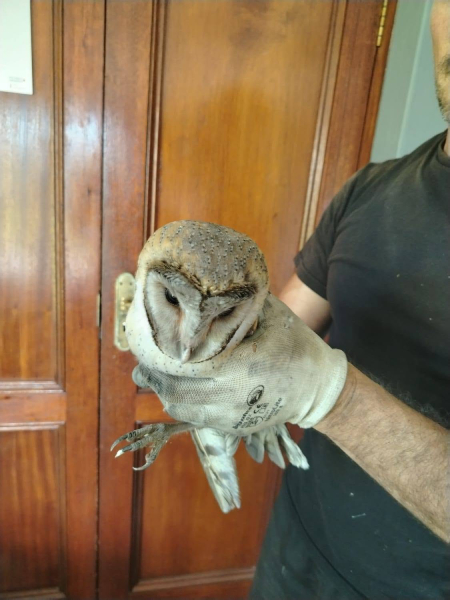
Today, I’m a first responder with the Kogelberg Biosphere, a permitted rehabilitation facility for various wildlife situated in Betty’s Bay and run by a fantastic person, Michelle Watson, who’s a major inspiration. I love nothing more than assisting where and when I can.
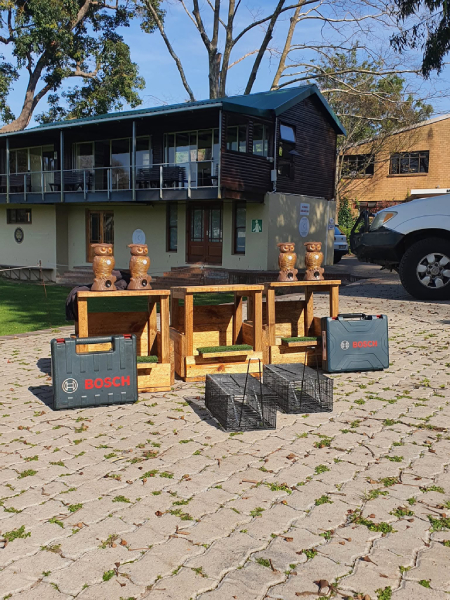
People all know me as The Owl Box Man – and the name speaks for itself. However, I don’t just offer boxes for various species of owls but also different raptor species, as well as humane, ethical rodent solutions for both residential and commercial, including agricultural sectors.
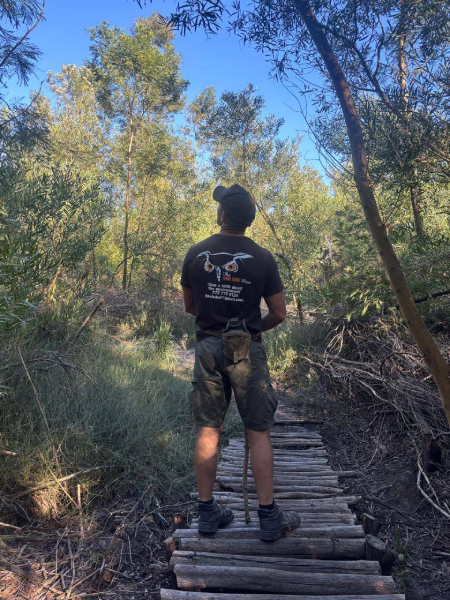
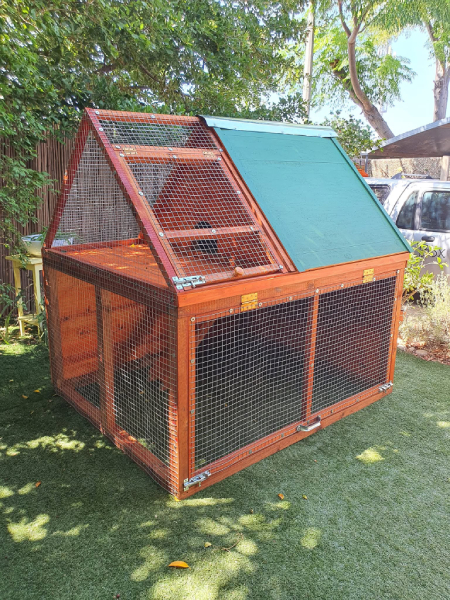
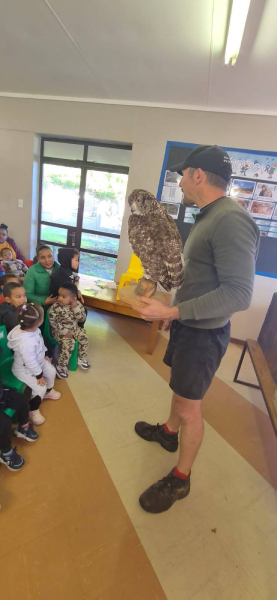
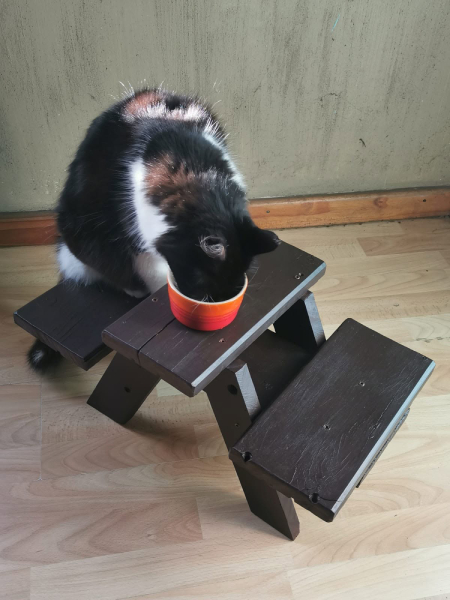
I also build and install catios and cat-proof fencing systems, chicken runs, and humane bird- and rodent-proofing, as well as raptor perches for vineyards and orchards. I enjoy leading local wildlife walks for the enthusiastic resident who’s eager to learn and share experiences, doing talks at schools, and much more.
What to do if you find a young owl on the ground? (It might not be what you think.)
At this time of year, it’s common to find young owls on the ground. And you may be wondering: What do I do when and if I come across one?
Here’s a step-to-step guide:
Around five weeks old, owl youngsters will hop the nesting site. This is a normal part of their development and doesn’t necessarily mean they need rescuing.
The owlet lands on the ground and the parents will continue to feed it as per normal where they are. Even if they wander off they will vocalise with mom and dad and be fed.
It won’t take long – 2-4 days max – before the owlets make their way to higher spots, such as low branches, an electric box, a wall, etc.
From here they’ll become far more able to get to and from branches to trees – and they are by now safely off the ground.
So what do you do? The best thing one can do is leave them alone during this time and enjoy by observing from afar.
The only time when there’s a cause for concern is when there’s potential danger, such as:
-
a visible injury
-
being in a dangerous area, e.g. busy traffic or intersection
-
dogs without leads
If these issues are present, one can simply just ensure the owl is in a safer spot. This should be:
-
a walled or fenced-off area
-
within close proximity to where you originally spotted him or her
-
safe from traffic or dogs/people
-
where the parents can easily continue feeding and raising it naturally.
Who to call?
If you notice an injured owl or a cause for concern, please contact the Kogelberg Biosphere (061 861 5653) or the SPCA wildlife unit (021 700 4158), and from there the correct procedures will be taken to ensure the best for the owl.
After all, if you want these incredible creatures in your neck of the woods then always ensure that the best practice is taken to keep them wild and free, doing what they do best – helping us with pest control!
“Give a hOOt!” For more information, call 072 375 0134, email daxiedvd@gmail.com, follow on Facebook or visit my website.
Important! Never attempt to rescue, feed or medically treat owls or raptors yourself, as these birds need highly specialised care and incorrect handling can cause suffering or even death. It’s illegal to handle, catch, capture, or keep owls without a permit, or to harm or kill them – with high fines or possible incarceration for transgressions. Only authorised rehabilitation centres such as Kogelberg Biosphere and wildlife professionals are permitted to work with them.